Piano City Lecce
Project made in colibrì Vision s.r.l
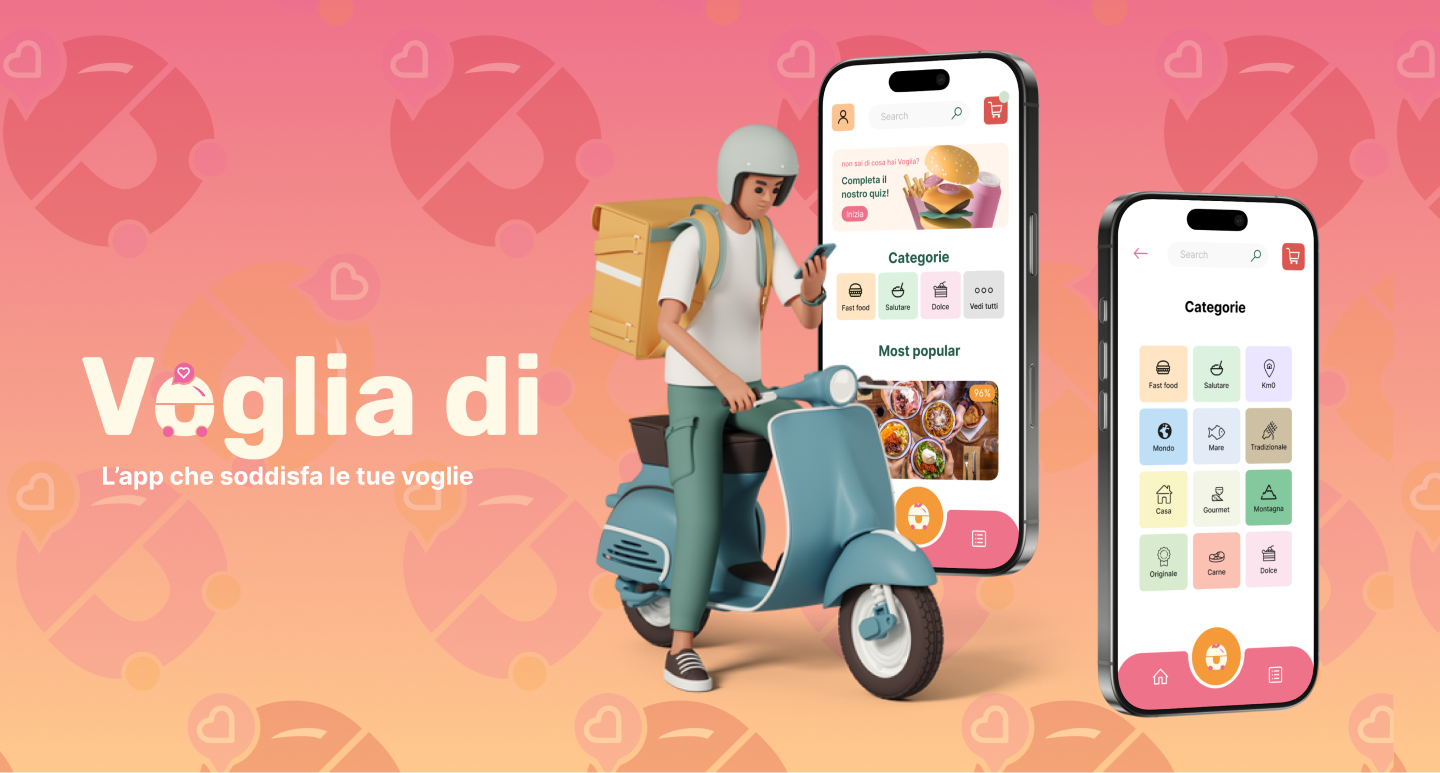
Voglia di is an innovative food delivery concept developed as part of my master’s thesis in collaboration with two fellow students. The idea behind the project was to create an app that could match users’ food cravings in real time, offering a personalized and intuitive experience. Starting from in-depth market research and user needs analysis, we focused on crafting a solution that merges creativity and usability. Voglia di stands out as an academic yet practical response to modern food delivery challenges, aiming to turn spontaneous desires into immediate and satisfying choices through smart design.
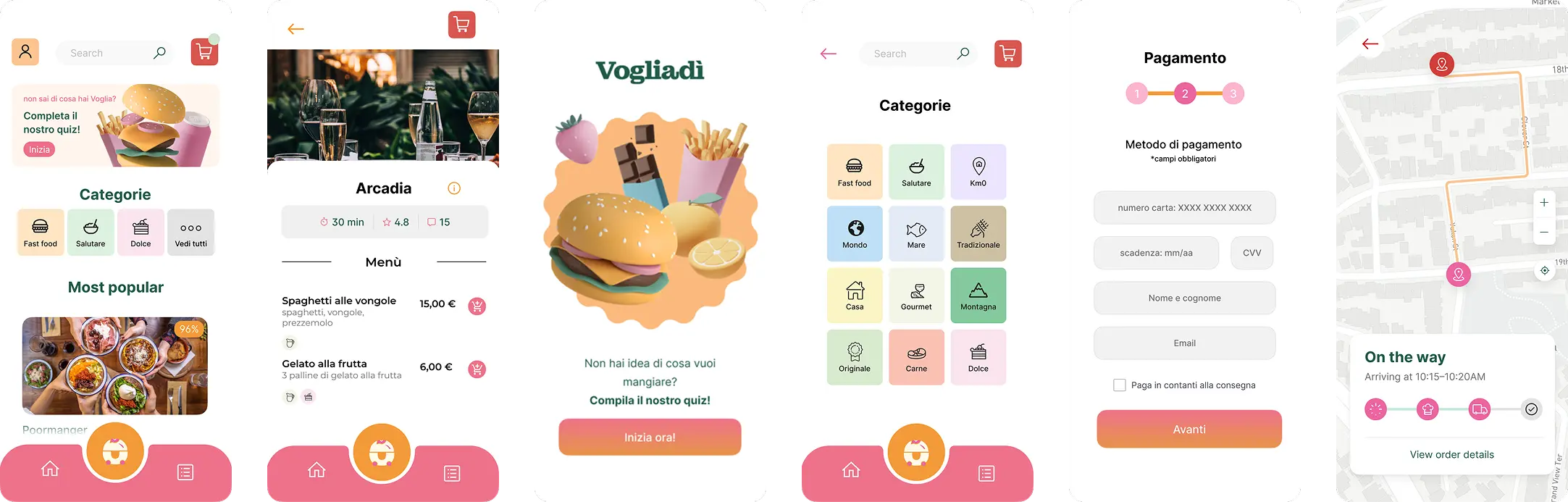
Within the team, I was responsible for designing the user interface of the Voglia di Mobile app, following the entire process from the initial concept to a fully functional interactive prototype. After defining the app structure and visual elements in line with the brand identity, I developed a complete demo using Flutter. The design emphasized clean aesthetics, vibrant colors, and a smooth user experience, tailored to food choices driven by spontaneous cravings. This project allowed me to bridge UI/UX design with cross-platform development, transforming a conceptual idea into a prototype with real market potential.
The project began with the definition of a clear and structured plan, starting from the application’s purpose and extending to the main goals to be achieved. At the same time, my colleague developed a marketing strategy and brand identity, outlining the product’s values, tone of voice, and positioning. Once the target audience, objectives, and brand identity were clearly defined, I was able to start working on the app development.
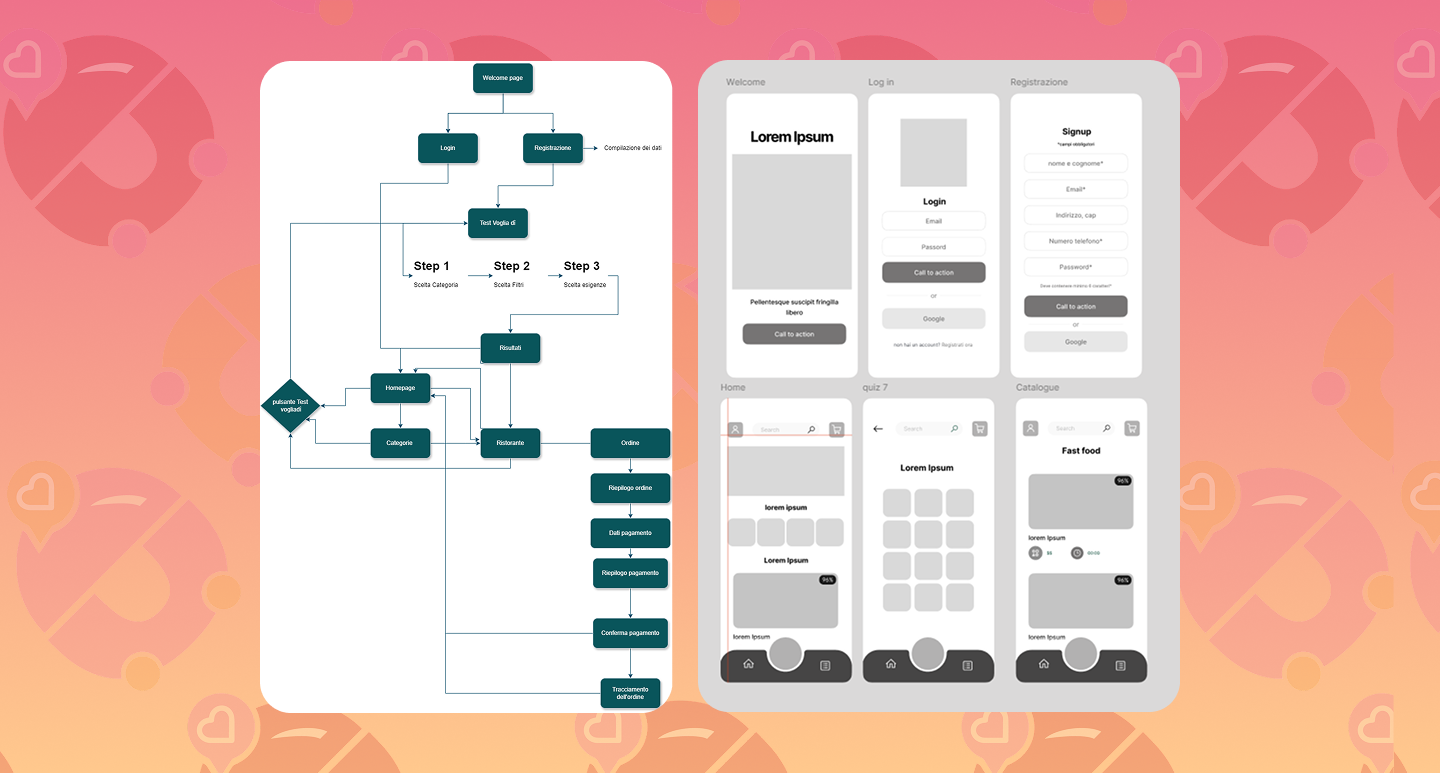
As a first step, I carried out an in-depth analysis of the food delivery sector to better understand the core features and functions that users expect from this type of application. Then, I designed the user flow through the creation of a diagram that mapped a hypothetical user experience while interacting with the prototype. This helped establish the key stages and main interactions of the app.
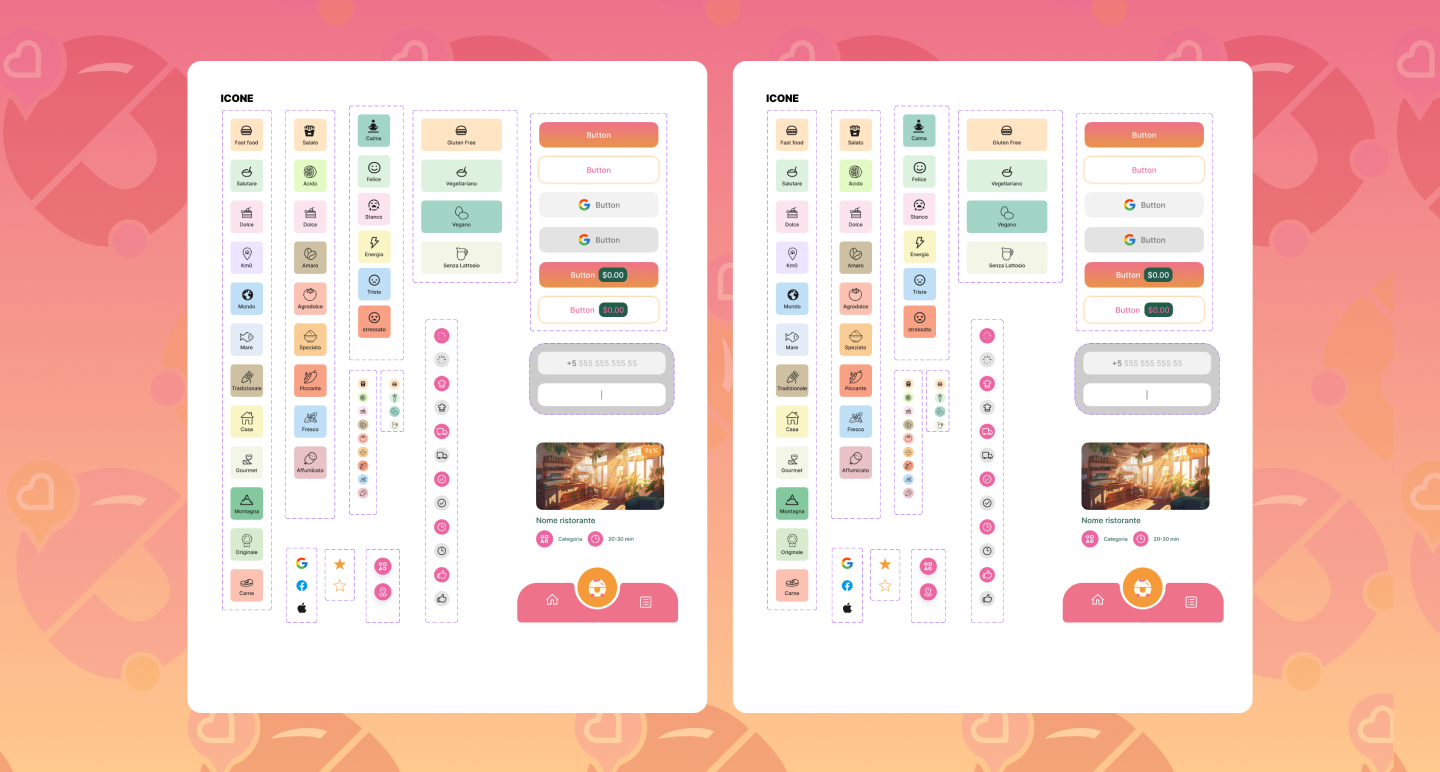
Following this, I created low-fidelity wireframes to visualize the interface structure, the placement of different elements, and to test their effectiveness in terms of navigation. Once the wireframes were validated and confirmed to be intuitive and functional, I moved on to developing a high-fidelity prototype in Figma. At this stage, I incorporated the final graphic elements, including colors, typography, and visual components aligned with the brand identity, producing a result very close to the intended final product.
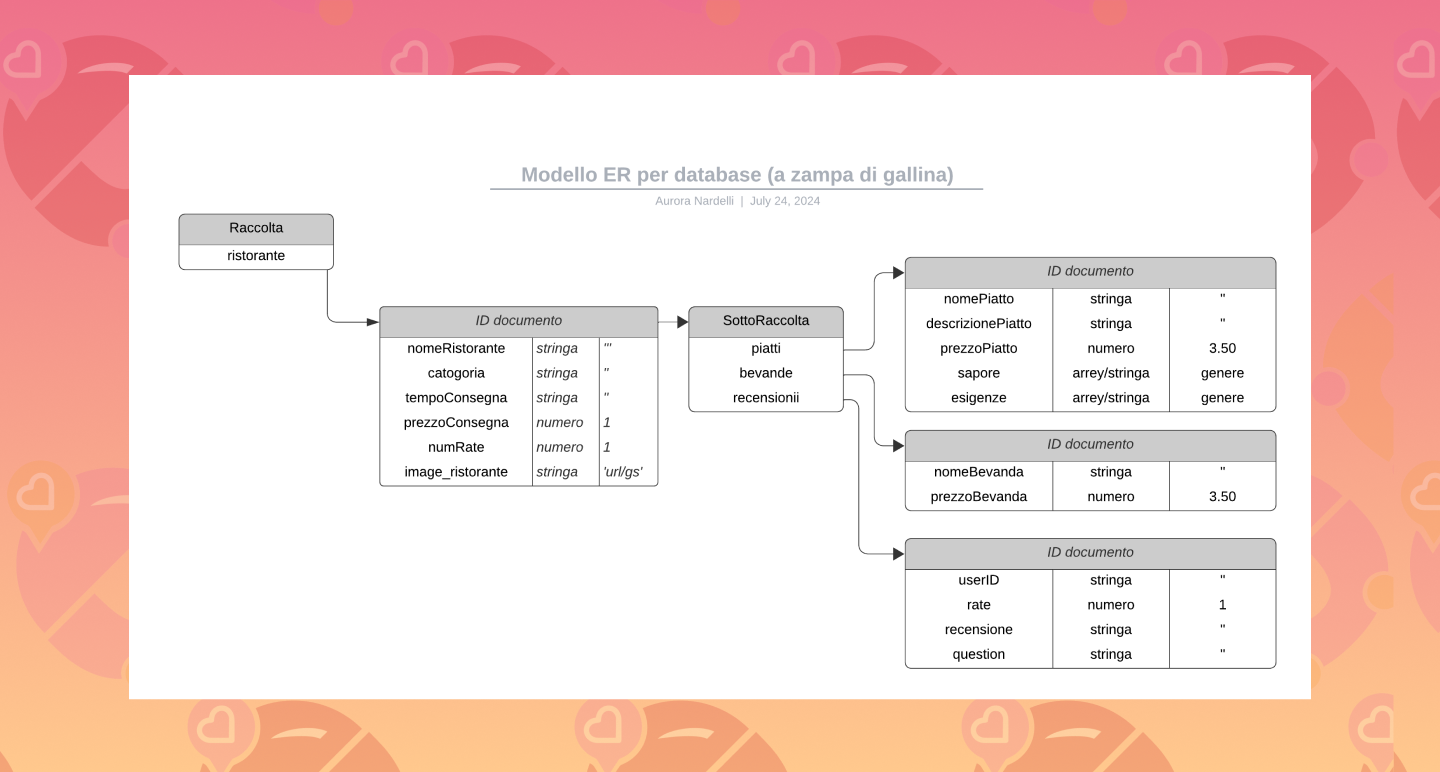
Finally, after the design phase, I proceeded with the development of the Android application using Android Studio. The implementation was carried out with Flutter and Dart, which enabled the creation of a cross-platform app with a fluid and responsive user experience. For data storage and management, Firebase was chosen as the cloud system, ensuring scalability and reliability.